
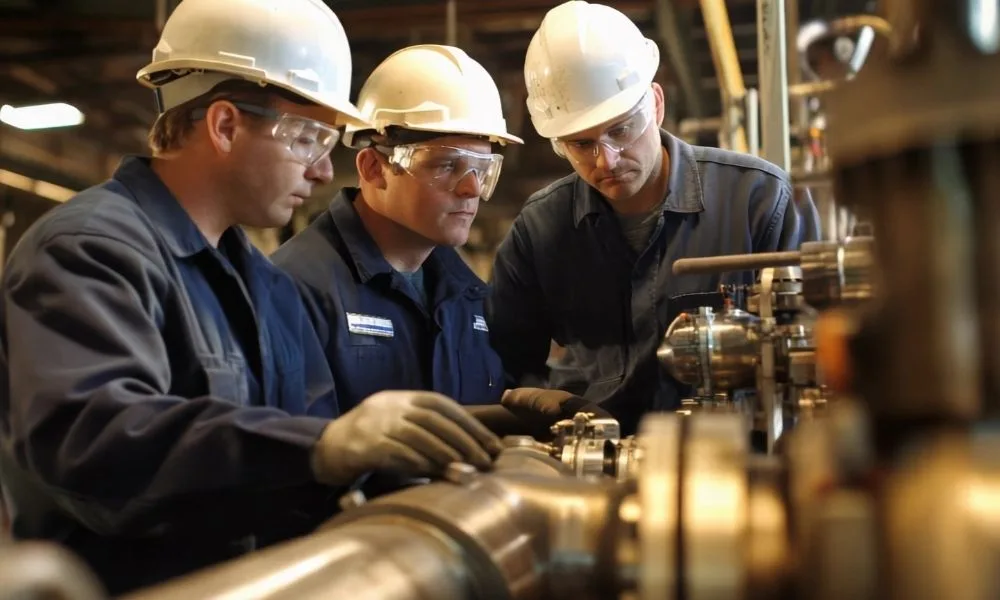

Predictive maintenance is radically reshaping how industries manage equipment. By shifting from reactive fixes to proactive interventions, organizations are reducing unplanned downtime, controlling costs, and improving asset performance. As demand for smarter maintenance grows, a variety of digital and AI-powered tools, including the C3 AI platform, are helping companies stay ahead of equipment failures by identifying issues before they escalate. These advancements drive operational excellence and ensure more reliable production schedules across manufacturing, energy, transportation, and beyond.
Predictive maintenance leverages real-time and historical data to pinpoint early signs of deterioration in machinery, transforming a once-siloed process into a unified, strategic advantage. Through sensor networks, analytics platforms, and artificial intelligence, businesses are capturing insights that empower maintenance teams to act with precision. This shift not only helps save on labor and replacement costs but also makes safety and efficiency top priorities.
Understanding the tools, strategies, and innovations now available is essential for any industrial operation looking to boost uptime while managing constraints around cost and labor. In this article, we will explore the core principles of predictive maintenance, the latest technological breakthroughs, best practices for step-by-step implementation, emerging case studies, and what the future holds for this rapidly evolving field. Industries that invest wisely in these modern maintenance solutions can expect substantial improvements in overall equipment effectiveness, fewer disruptive emergencies, and a more resilient business model to face tomorrow’s challenges.
Introduction to Predictive Maintenance
Predictive maintenance uses advanced data analytics, Internet of Things (IoT) sensor networks, and AI models to monitor asset health and forecast potential failures before they disrupt operations. Unlike reactive maintenance, which addresses breakdowns after the fact, or preventive maintenance, which relies on fixed schedules, predictive maintenance dynamically schedules repairs based on real-time equipment conditions. This minimizes over-maintaining healthy machines and allows for timely intervention when risks are high. Using predictive maintenance, organizations increase uptime, reduce unnecessary service, lower spare parts inventories, and make better decisions under pressure. Industries spanning automotive, aerospace, and utilities have recognized predictive maintenance as a strategic pillar, thanks to its potential for significant cost savings and improved safety. For additional context on predictive analytics in industrial settings, refer to Forbes Technology Council’s coverage.
Technological Advancements in Predictive Maintenance
Modern predictive maintenance is powered by a convergence of technologies that connect the physical and digital realms:
- AI-Powered Analytics: AI models process massive volumes of equipment data to detect trends, flag anomalies, and provide actionable recommendations. Solutions like Vertiv’s AI-powered maintenance offerings are setting industry benchmarks.
- Smart Sensors: Robust sensors, such as the PiezoNode from Waites, offer real-time monitoring even in the harshest industrial settings. They deliver vital vibration, temperature, and acoustic data streams that fuel predictive algorithms.
- Edge Computing: With the proliferation of edge AI, data is now analyzed at or near the source, ensuring rapid response times, minimizing network latency, and reducing bandwidth costs. This supports instant detection of emerging risks.
The rapid evolution in sensor accuracy, edge device intelligence, and data science models continues to drive the accessibility and effectiveness of predictive maintenance.
Implementing Predictive Maintenance Strategies
For organizations looking to implement predictive maintenance, a clear roadmap is crucial:
- Data Collection: Install IoT-enabled sensors across key equipment and assets to capture operational data streams.
- Data Analysis: Deploy machine learning algorithms to uncover relationships within collected data and identify subtle patterns predictive of faults or wear.
- Systems Integration: Seamlessly connect predictive maintenance platforms with existing computerized maintenance management systems (CMMS) or enterprise asset management (EAM) software to automate workflows and enable holistic asset visibility.
- Personnel Upskilling: Train technicians and engineers to interpret analytical outputs, prioritize interventions, and collaborate with data teams for ongoing improvement.
Leading organizations also embrace pilot projects, refine analytics models, and scale solutions iteratively for the best results.
Case Studies and Real-World Applications
The benefits of predictive maintenance are being realized in diverse sectors:
- Manufacturing: Adoption of predictive maintenance in manufacturing has doubled recently, as reported by studies like Fluke Corporation’s survey. More manufacturers are investing in AI and IoT, enhancing digital transformation and asset reliability.
- Data Centers: Vertiv’s rollout of AI-powered predictive maintenance systems in data centers demonstrates the power of real-time analytics for critical infrastructure. These solutions ensure stability, energy efficiency, and rapid issue resolution.
Case studies show that early adopters dramatically reduce downtime, maintenance costs, and unplanned asset failures, thereby maintaining production continuity and competitiveness.
Challenges and Considerations
Despite its transformational advantages, predictive maintenance comes with some challenges:
- Data Quality: Reliable insights depend on continuous, high-quality sensor data and careful data management.
- Integration Complexity: Merging new predictive systems with legacy infrastructure demands thoughtful planning, investment, and change management.
- Skills Gap: Bridging the expertise gap requires ongoing workforce development in analytics, IoT, and equipment diagnostics.
Addressing these considerations holistically will drive more consistent value from predictive maintenance programs.
Future Trends in Predictive Maintenance
The future is primed for even greater transformation in predictive maintenance:
- Deeper AI Integration: More advanced machine learning techniques will yield predictions with higher specificity, enabling prescriptive maintenance actions.
- IoT Device Proliferation: Expanded sensor deployments will extend coverage further, providing complete asset visibility and facilitating new use cases.
- Digital Twins: The rise of digital twin technology will allow virtual simulation of equipment, making prediction, diagnosis, and optimization even more precise.
Staying ahead of these trends offers organizations the promise of ongoing efficiency improvements, operational agility, and competitive differentiation.
Conclusion
Predictive maintenance stands as a cornerstone of next-generation industrial operations. Organizations adopting these advanced technologies will continue to see measurable gains in uptime, safety, and profitability. By leveraging real-time data, machine learning, and integrated systems, businesses remain resilient and well-positioned for the future of intelligent asset management. Rather than reacting to equipment failures after they occur, predictive maintenance enables organizations to identify potential issues early, reducing costly downtime and extending the lifespan of critical assets. This proactive approach also improves resource allocation, minimizes maintenance costs, and enhances overall operational efficiency. As industrial environments become increasingly connected through IoT devices and advanced analytics, predictive maintenance will play an even greater role in driving reliability, sustainability, and competitive advantage. Companies that invest in these capabilities today will be better prepared to meet evolving market demands and achieve long-term operational success.