
The commercial real estate sector is experiencing a profound transformation, fueled by the widespread adoption of hybrid work models. Businesses are increasingly pursuing flexible work arrangements and prioritizing employee well-being, which is driving new requirements for office and retail properties. In response, property owners and developers are reimagining how their buildings can fit into this evolving landscape. Those who adapt to hybrid trends and integrate modern amenities are setting themselves apart in a market ripe for innovation. Companies seeking workspace solutions can explore ESRT office properties to find options that meet these new standards.
As employers recalibrate their needs, the demand for dynamic, versatile, and amenity-rich spaces is on the rise. Developers are responding by designing environments that prioritize collaboration, community, and experiential value, ensuring that office and retail properties remain central to business operations and employee engagement.
Hybrid Work Trends and Their Impact
Hybrid work, a model where employees split their workweek between remote and on-site locations, has become a defining trend in the post-pandemic era. Many organizations found that productivity could be maintained and, in some cases, increased through remote work. This realization has caused occupiers to rethink their space requirements and shift their focus from traditional long-term leases to solutions that provide both flexibility and functionality. Collaborative hubs, hot desks, and agile work environments are rapidly replacing outdated, static office layouts.
As the need for dedicated personal workstations declines, office properties are being reconfigured to support teamwork, creativity, and productivity fluidly. The hybrid model is influencing not just office layouts but also the location strategy, as proximity to residential areas, transit options, and community amenities becomes a greater priority for tenants.
The Rise of Mixed-Use Developments
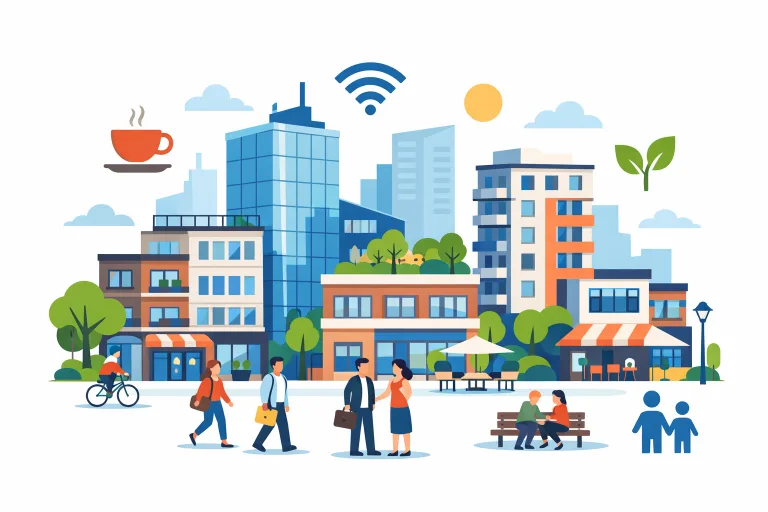
Mixed-use developments have gained momentum as a direct response to evolving tenant and consumer preferences. Today’s professionals want the convenience of having workspaces close to shops, entertainment, and residences. These developments blend office, retail, residential, and sometimes even hospitality services, creating vibrant micro-communities that foster both productivity and well-being. A recent JLL report found that lifestyle office markets featuring these integrated environments command rents considerably higher than those of conventional office-only projects, reflecting their desirability among both businesses and employees.
These integrated properties do more than support a flexible work culture. They also activate retail corridors, support local economies by keeping foot traffic strong, and provide built-in customer bases for a variety of businesses. Their increasing popularity signals a lasting change in how commercial spaces are conceived and utilized.
Flexible Leasing Options Gain Popularity
For many companies, the uncertainty brought on by fluctuating markets and workforce changes has made long-term leasing commitments less attractive. Coworking providers, shared office operators, and property owners are filling this gap with a range of flexible leasing options, from month-to-month agreements to scalable office suites customizable to a tenant’s current needs. In fact, studies estimate that the national footprint of coworking spaces expanded by 16.5% in the last year, a testament to the growing demand for flexibility in commercial real estate.
Flexible leases not only help companies avoid overcommitting to space but also allow them to adapt quickly as their team size or business needs evolve. This trend is empowering businesses of all sizes to access premium locations and amenities without the traditional constraints of commercial leasing.
Emphasis on Amenities and Experiences
To bring employees back into the office and draw tenants to retail centers, landlords are investing in high-quality amenities and memorable experiences. Wellness-focused spaces, fitness centers, rooftop gardens, and on-site dining are no longer exceptional but expected. Spaces designed for relaxation, creativity, and social connection are driving occupancy and satisfaction. Employers see these amenities as critical to supporting staff retention and engagement in a competitive hiring environment.
The overall experience, from seamless access to technology to curated social programming, plays an outsized role in distinguishing premium properties from the rest of the market. Developers who invest in experiences beyond standard brick-and-mortar offerings are seeing higher overall demand and tenant loyalty.
Integration of Technology in Workspaces
As hybrid work continues to reshape workplace expectations, advanced technology has become an essential feature of modern office environments. Businesses increasingly rely on smart building systems, touchless access controls, high-speed internet, and state-of-the-art video conferencing solutions to support seamless collaboration between remote and in-office teams. Many workplaces now incorporate real-time occupancy monitoring, automated lighting and climate controls, and robust cybersecurity measures to improve efficiency, reduce operating costs, and create safer, more comfortable spaces. Beyond physical infrastructure, tenant engagement apps, virtual concierge services, digital visitor management systems, and workplace reservation platforms help streamline daily operations while enhancing convenience. Together, these technologies create flexible, connected workplaces that improve employee experiences, support productivity, and meet the evolving needs of today’s workforce.
Future Outlook for Commercial Properties
As hybrid work continues to shape the future of business, commercial office and retail properties must evolve to remain competitive. Flexible floor plans, smart building technologies, wellness-focused amenities, and community-oriented spaces are becoming key factors influencing tenant decisions. Property owners and developers who embrace innovation, invest in sustainable improvements, and adapt to changing workplace preferences will be better positioned to attract and retain tenants. By staying responsive to emerging market trends, they can strengthen long-term property value, improve occupancy rates, and remain resilient in an increasingly dynamic commercial real estate landscape.
In summary, the shift toward hybrid work represents a long-term transformation rather than a short-lived trend, fundamentally reshaping the commercial real estate landscape. As organizations prioritize flexibility and employee experience, office and retail properties are evolving into technology-enabled, collaborative, and amenity-rich destinations. Property owners and developers who embrace these changing expectations through innovative design and adaptable spaces will be better positioned to attract tenants, enhance property value, and remain competitive in the future workplace.
