

As digital publishing continues to evolve, magazine layouts are undergoing significant transformations to captivate modern readers. Today’s editorial landscape pushes boundaries, urging publishers to rethink how stories are visually delivered and how they engage their audiences. Within this fast-paced digital age, exploring magazine layout ideas can offer immense inspiration for both emerging and established brands looking to elevate their publications and set new standards in design excellence.
Experiences in digital magazine design now prioritize the end user, with the intent to maximize readability, accessibility, and interaction. Keeping readers engaged for longer is an ongoing challenge, prompting the adoption of new strategies such as minimalist design, flexible grid systems, and the integration of rich media elements. Winning layouts balance visual intrigue with purpose, ensuring the content remains clear and enjoyable regardless of the device used.
Modern readers expect seamless experiences that cater to their preferences, whether they access content on a phone, tablet, or desktop. Publishers must therefore remain agile, quickly adapting to new technologies and audience expectations. This transformation is not merely aesthetic but fundamentally alters how information is organized and delivered within a digital magazine context.
Responsive, mobile-first approaches, immersive interactivity, and cross-platform flexibility are emerging as the backbone of cutting-edge magazine design. As magazine publishers reshape their design strategies, recognizing and responding to these trends will directly influence reader retention and the overall impact of editorial content.
Embracing Minimalism and Whitespace
Minimalist design is reshaping magazine layouts, offering a clean and focused reading environment through the strategic use of whitespace. This not only aids readability but also reflects a premium, sophisticated tone that resonates with modern audiences. The trend is supported by findings from Adobe, which reveal that 61% of consumers favor visually simple, clean digital experiences over visually busy, information-dense pages. According to The New York Times, the shift toward minimalism goes beyond aesthetics, as it supports mental clarity and enhances content absorption in today’s hyper-connected world.
Responsive, Mobile-First Designs
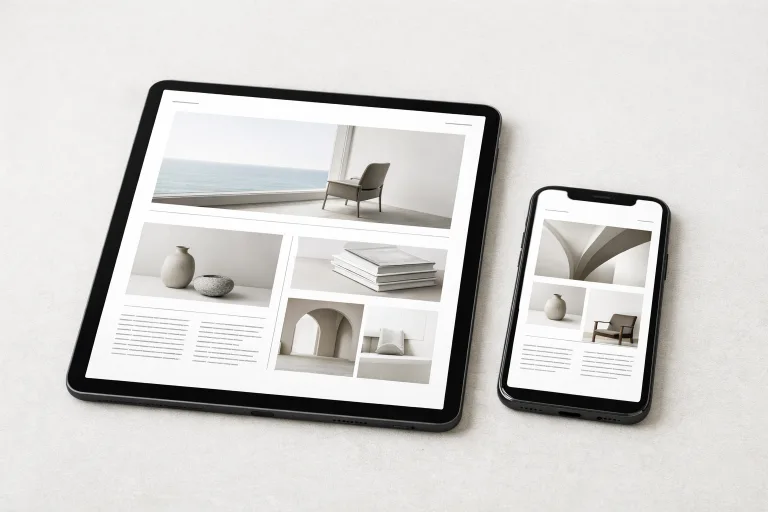
As the majority of audiences consume content on mobile devices, responsive, mobile-first layouts are essential. This trend ensures that magazine interfaces seamlessly adjust to various screen sizes, preserving the integrity of typographic scale and visual hierarchy. Digital publishing platforms like Experios offer solutions for creating designs that adapt automatically to any device, making it easier for publishers to maintain one unified version of each magazine issue. According to tbh creative, investing in responsive design strategies is vital for maximizing reach and engagement across global audiences.
Integrating Interactive Elements
Modern magazine layouts are embracing interactive components such as embedded videos, subtle animations, and dynamic interactive galleries. These features offer richer storytelling opportunities, turning otherwise static pages into lively, immersive experiences. Interactive elements can increase dwell time and foster deeper reader engagement, making the content not only visually stimulating but also more informative and memorable. Integrating multimedia is quickly becoming standard in digital magazines as audiences seek out richer, more participatory experiences in their reading journey.
Flexible Layouts Across Platforms
With the proliferation of digital platforms and media channels, magazines must maintain visual consistency while adapting to diverse formats and screen sizes. Flexible layouts are designed with modularity and scalability in mind, ensuring seamless brand identity and user experience, whether content is viewed on print, websites, or shared across social media. Techniques such as grid-based systems and consistent typographic schemes support this flexibility, allowing for effortless adaptation and maintaining editorial integrity as content migrates from one platform to another.
Modular Design Systems
Adopting a modular design allows publishers to build layouts using interchangeable blocks, which simplifies adaptation and streamlines the design process. This approach provides the editorial team with the agility to update or repurpose content rapidly, meeting the demands of emerging news or trends with ease.
Innovative Typography and Color Usage
Typography and color palette choices serve as fundamental tools in shaping the reader’s experience and setting the tone for a magazine. Contemporary editorial designs are moving beyond traditional font hierarchies by leveraging variable fonts and bold typographic statements that immediately capture attention. Designers increasingly use unique typefaces to distinguish sections, headlines, and pull quotes, creating layers of visual hierarchy within a coherent layout. Likewise, strategic use of color, whether through bold accents or sophisticated gradients, can dynamically guide the eye and drive reader focus to key stories or calls to action. This evolution in type and color design enables editors to evoke moods that resonate with audience expectations while supporting brand identity across different platforms.
Personalization and Data-Driven Content Experiences
Digital magazines are also harnessing the power of personalization to deepen engagement. By collecting and analyzing user data, publishers can tailor content recommendations, layouts, and even interactive components to individual preferences and reading habits. For instance, displaying personalized article suggestions, adaptive layouts that respond to previous interactions, or interactive surveys and quizzes can significantly improve the relevance and satisfaction for every reader. This data-driven approach not only elevates the reader experience but can also provide publishers with actionable insights for future editorial strategy, optimizing both content delivery and design innovation.
Sustainability Considerations in Design
As environmental concerns rise, the digital publishing industry is reevaluating how design strategies influence sustainability. Prioritizing lighter file sizes, optimizing image compression, and using eco-friendly hosting solutions can reduce energy consumption and improve page load times. Incorporating these practices into magazine layout design not only reflects social responsibility but also creates a faster, more efficient experience for users around the world. Forward-thinking publishers recognize that sustainable choices are increasingly valued by audiences, reflecting a broader commitment to ethical and responsible media creation.
Conclusion
The evolution of magazine layout design is guided by the need to engage readers while remaining flexible and accessible across changing media landscapes. By embracing minimalism, prioritizing mobile responsiveness, integrating interactive features, and developing adaptable layouts, publishers can better address the expectations of modern audiences. Staying ahead of these innovative layout trends ensures magazines will continue to resonate with readers, offering immersive editorial experiences that are both functional and visually captivating.
